
Stabyhouns descend from a small gene pool, so every breeding decision is about the whole breed’s future, not just one litter.
Careful breeding allows the Stabyhoun to thrive.
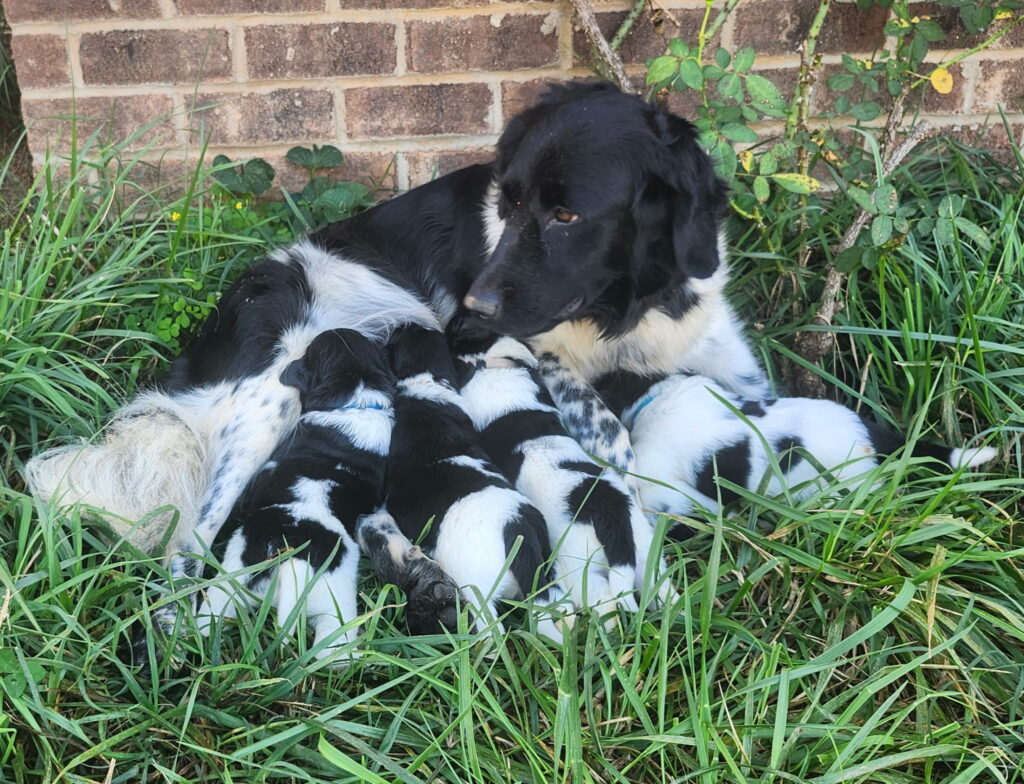
ASA doesn’t leave breeding to chance. Every litter is planned around health screening, temperament, and how closely the two dogs are related. The rules behind that planning can look strict from outside. They exist so the breed stays healthy for generations, not just for the next litter.
Careful breeding isn’t about perfect dogs.
The safest approach would be to exclude any dog that isn’t flawless. But every dog cut from the program takes their genes with them. High inbreeding is its own threat and how a breed disappears.
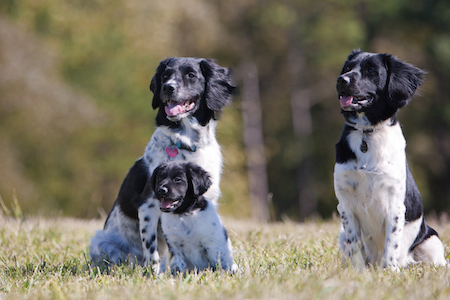
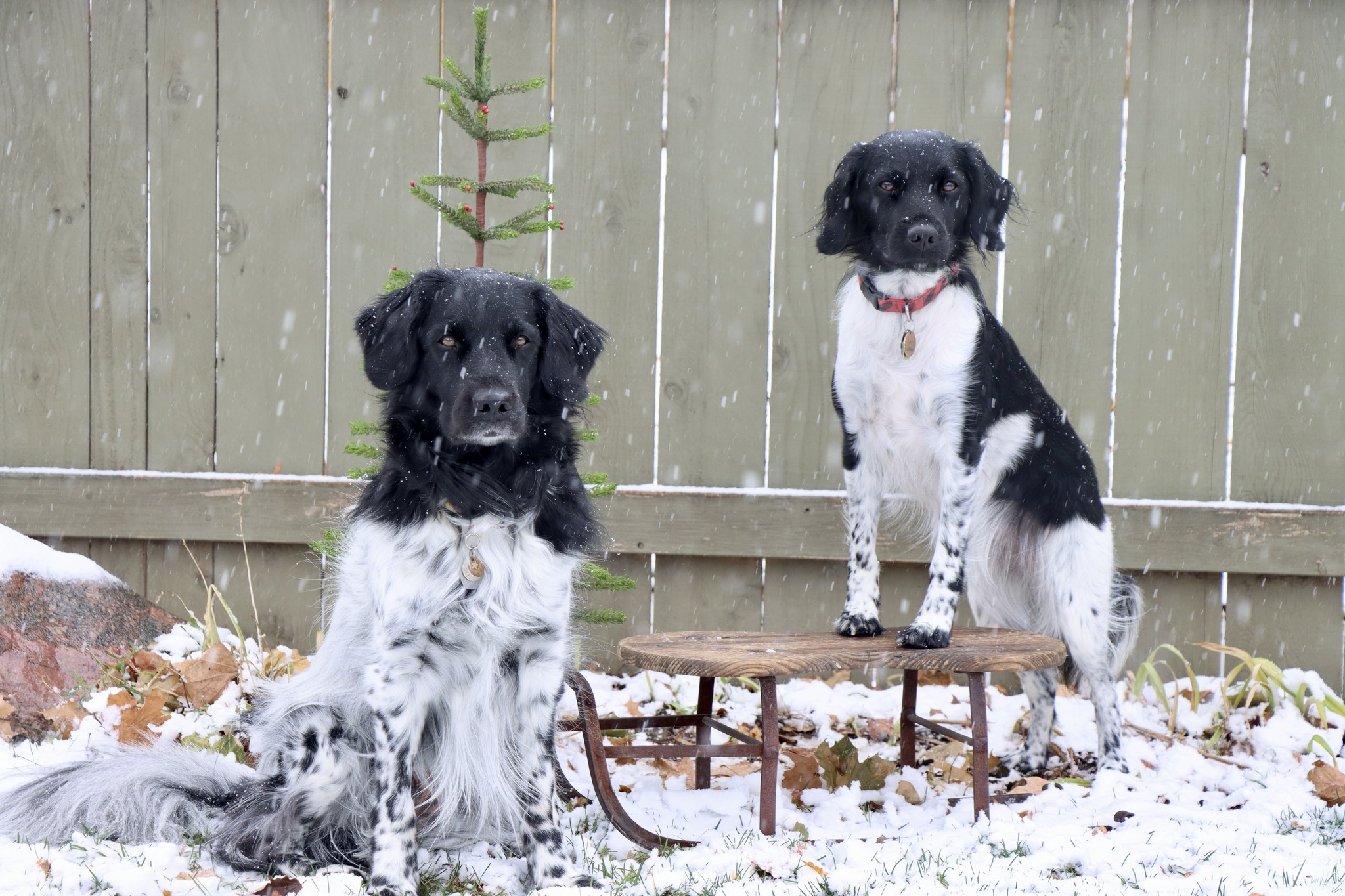
The real work is balance. Weighing health, temperament, and how closely the two dogs are related keeps the breed both healthy and genetically diverse.
That balance is the challenge of a rare breed, and it’s why ASA’s rules are built the way they are.
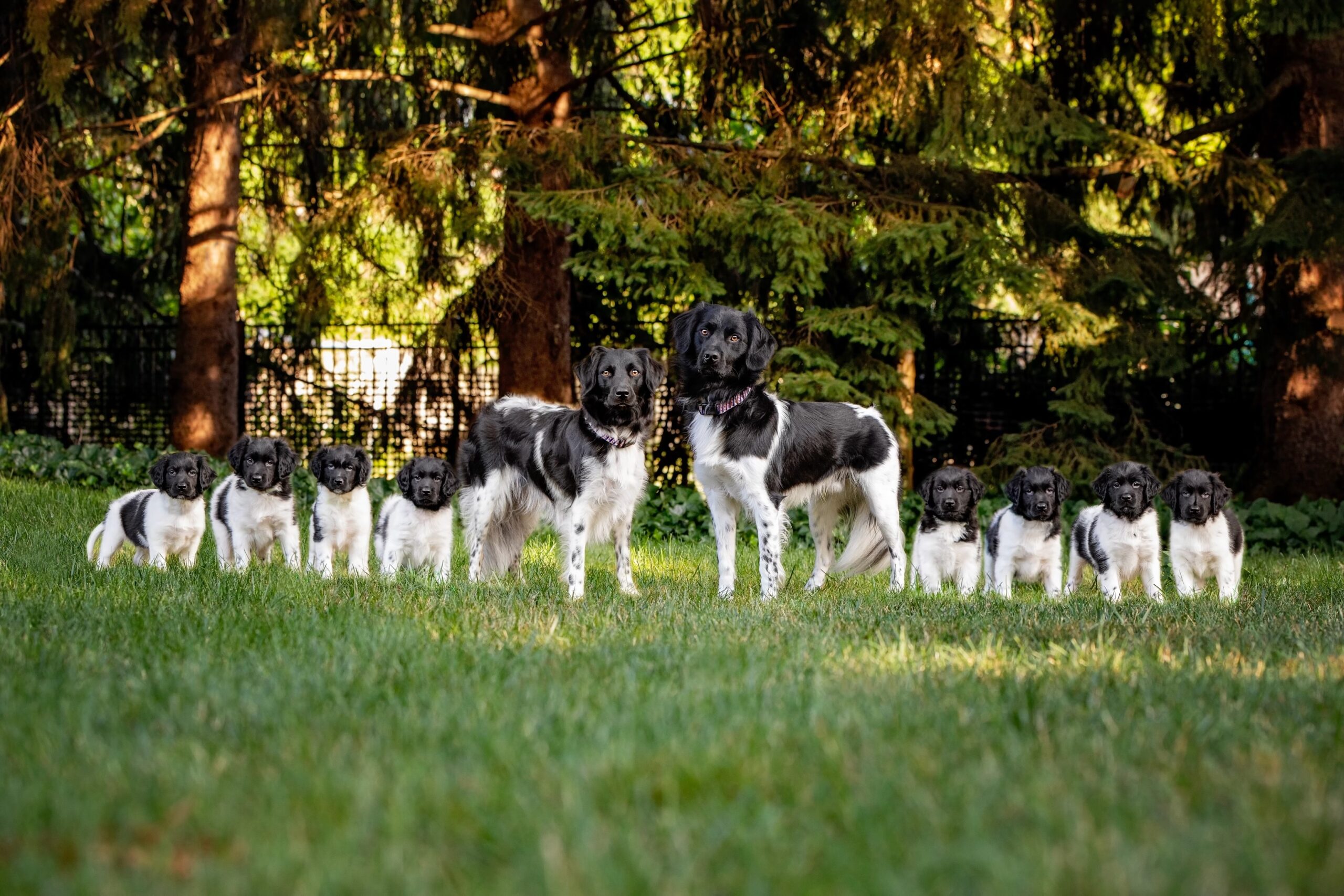
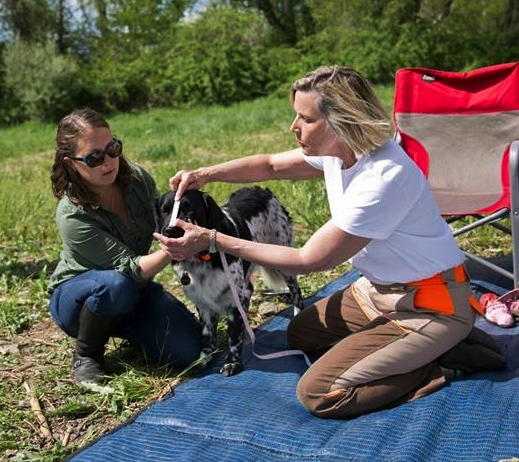
Careful breeding starts with sound dogs.
Before a Stabyhoun can be bred, hips and elbows are x-rayed and rated. Temperament is evaluated. Dogs are measured and assessed against the breed standard by two different judges. A pairing goes ahead if the match between the two dogs is sound.
None of this is left to a breeder to decide alone. ASA’s Breeders Advisory Committee examines the health database, reviews the health results, weighs how related the dogs are, and moves forward with potential litters. It’s a lot of work for one litter, but worth it.
Careful breeding requires global cooperation.
Stabyhouns have a rich Dutch heritage and since most still live in the Netherlands, the breed is managed as one population worldwide. As the recognized North American partner, the ASA builds on our parent club’s program with our own breed experts and stud dog list.
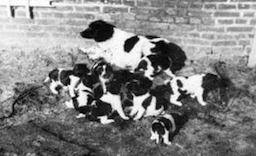
The gene pool crosses borders. ASA imports dogs from Europe to widen North America’s genetic base, and the Breeders Advisory Committee stays in close contact with the Dutch advisors. An ASA litter is part of the worldwide population.
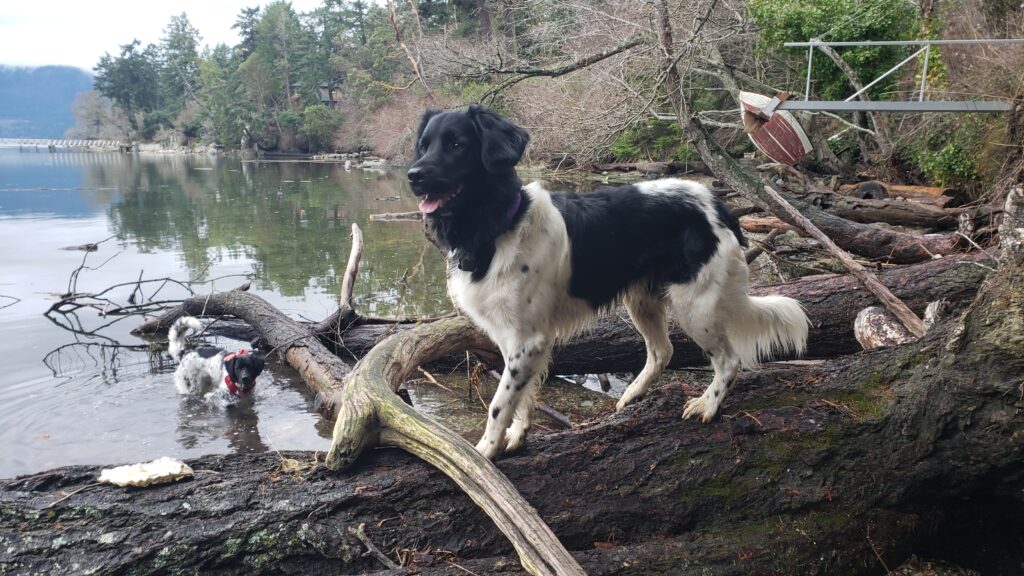
Ready for a Staby?
The ASA can help you understand the application process or get you started.
Stud dog pages and additional breeder resources are available for ASA members. →