Health & DiVERSITY

The Stabyhoun is a relatively healthy breed, and its small gene pool is what we watch most closely.

Most Stabyhouns live healthy lives.

What you might see in your dog


Prevalence: About 2% of Stabyhouns worldwide have moderate to severe hip dysplasia and signs are rarely reported. 

Breeding policy: Hip X-rays are required to breed. 
Dogs rated A or B+ can be bred. B- or C are considered case by case, based on family history. D and E cannot be bred.

LEARN MORE

Prevalence: Fewer than 1% of Stabyhouns worldwide have reported elbow dysplasia, though that figure understates it, since the Netherlands does not require elbow X-rays. Where ED is found, it is usually the mildest form. 

Breeding policy: Elbow X-rays are required to breed.
Proven sufferers and carriers cannot be bred. A proven carrier is a dog that has passed the same condition to two different litters.
Immediate relatives of an affected dog are not paired with dogs that also have affected dogs in their immediate family.

LEARN MORE

Prevalence: About 1% of Stabyhouns, averaging six reported cases a year over the past ten years. It was more common before ASA’s breeding program began working to control it.

Breeding policy: There is no test to identify carriers.
Affected dogs and proven carriers cannot be bred. A proven carrier is a dog that has passed the same condition to two different litters.
Immediate relatives of an affected dog are not paired with dogs that also have affected dogs in their immediate family.

LEARN MORE

Prevalence: In the past ten years, only 5% of Stabys or 35 cases of SRMA have been reported.

Breeding policy: There is no test to identify carriers.
Affected dogs and proven carriers cannot be bred. A proven carrier is a dog that has passed the same condition to two different litters.
Immediate relatives of an affected dog are not paired with dogs that also have affected dogs in their immediate family.

LEARN MORE

What your breeder will catch first

Prevalence: About 0.7% of Stabyhouns, with only 50 puppies affected in the past ten years.

Breeding policy: There is no test to identify carriers. 
ASA is working with the University of Utrecht to find a genetic marker. None has been found so far, and the inheritance pattern appears complex.
Affected dogs and proven carriers cannot be bred. A proven carrier is a dog that has passed the same condition to two different litters.
Immediate relatives of an affected dog are not paired with dogs that also have affected dogs in their immediate family.

LEARN MORE

Prevalence: Detected in only six litters since [ADD YEAR HERE].

Breeding policy: A DNA test is required to breed.
At least one dog in a pairing must be free of CD. Two carriers cannot be bred together.

Prevalence: About a quarter of Stabyhouns are free of VWD, a quarter are affected, and the remaining half are carriers. Despite those numbers, only one dog worldwide has ever been documented as suffering from it.

Breeding policy: ASA does not screen for VWD and the DNA test is not required.
The available test may not be accurate in Stabyhouns. Screening it out would remove valuable genetic material from a small gene pool.

LEARN MORE
BREED DIVERSITY

Relatedness is the single biggest factor in the breed’s long-term health.

ASA’s Diversity Project shapes important decisions that affect the entire breed and exists to widen the gene pool over time. It is a shared effort with breed clubs worldwide and works through research into pedigrees, health data, and DNA. To date, 1000 pedigreed Stabyhouns have been DNA tested, along with 26 healthy look-alikes.

Fill out ASA’s Health Questionnaire **

The Project depends on knowing what is actually out there. Every dog reported, healthy or not, makes the picture more accurate. The detailed questionnaire covers your dog’s health history, genetic testing, and temperament. This invaluable data becomes part of the record breeding decisions are built on.
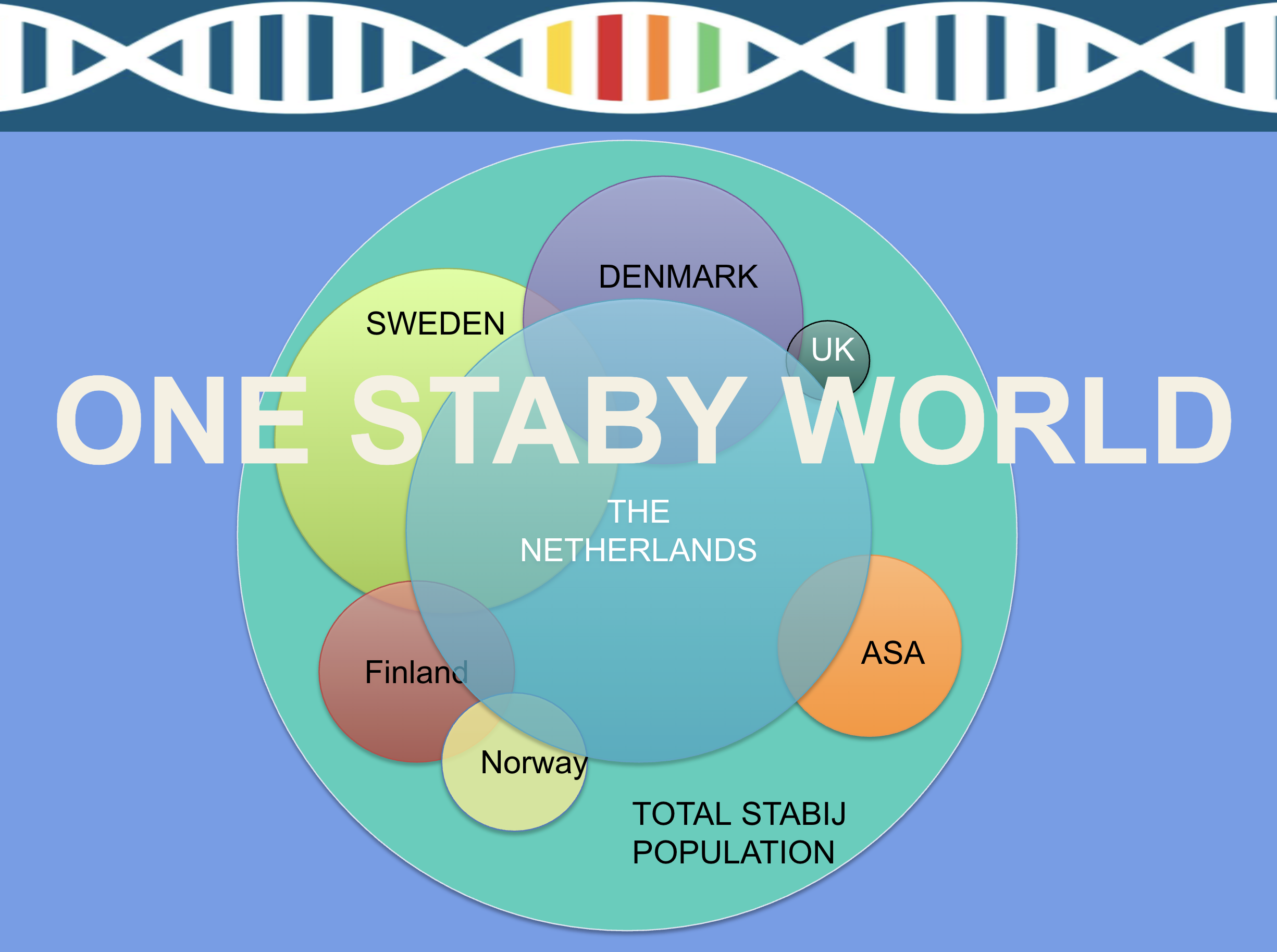
Stabyhoun Genetics

Watch the webinar below or download the slides.
SLIDES **
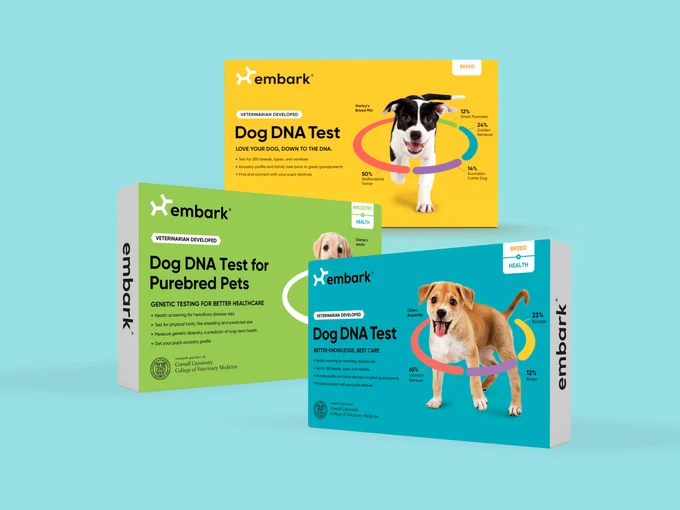
Embark DNA Testing

Make your results public to build a breed genetic picture.

EMBARK **

Have a health issue to report?

The Breeders Advisory Committee tracks health across the breed. If something comes up with your dog, they want to know.

Email the BAC ** ASA HEALTH QUESTIONNAIRE ** ASA’s breeding philosophy